Cookies on Guardtress
We use cookies to improve your experience and measure site performance. See our Privacy Policy for details.

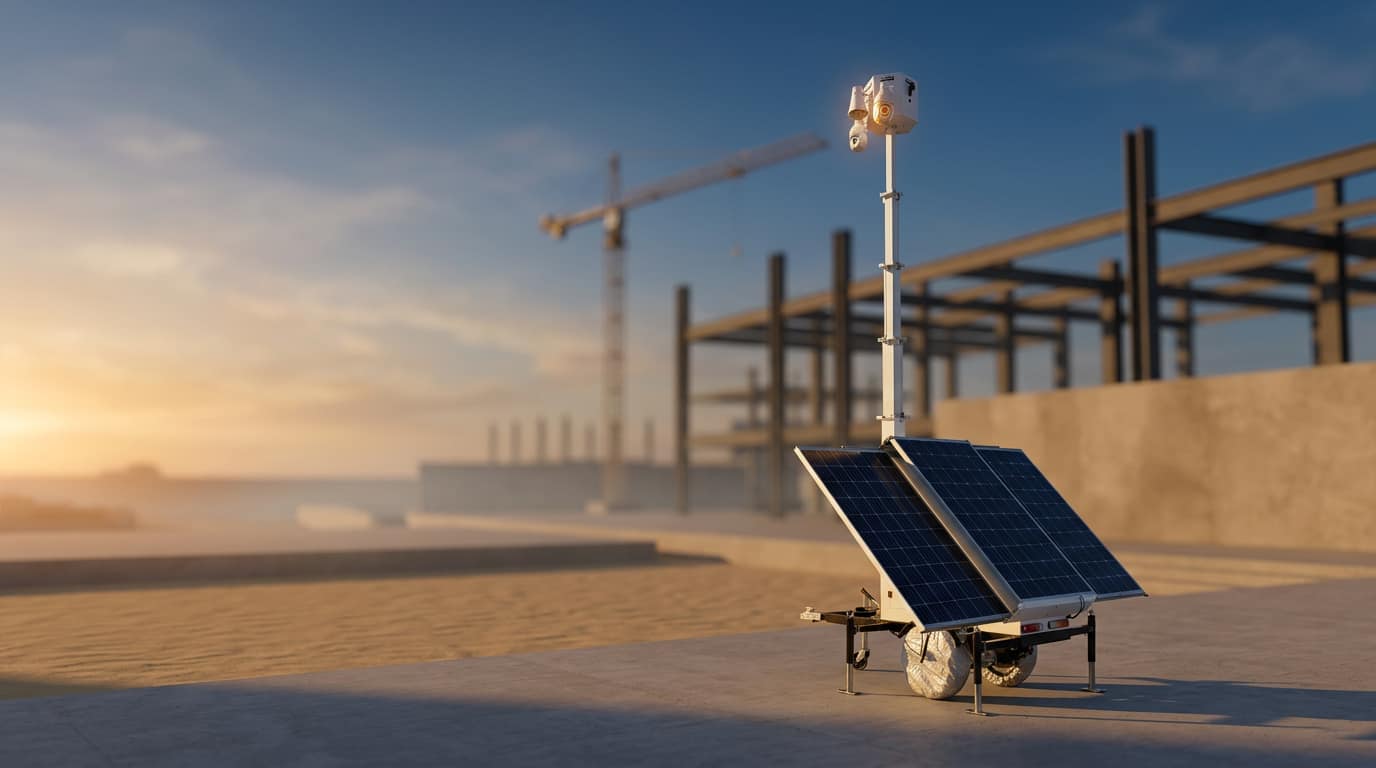
Comprehensive Security Checklist for Houston Equipment & Material Yards
Site superintendents and ops managers: Ensure the robust security of your valuable assets with this actionable guide.
The most overlooked risks in equipment and material yards are inadequate lighting in blind spots and unmonitored access points. These vulnerabilities create prime opportunities for theft and unauthorized entry, leading to significant financial losses and project delays.
Equipment & Material Yards Security Checklist — Houston
Protecting your valuable equipment and materials in Houston's dynamic environment requires a proactive, multi-layered security strategy. Theft, vandalism, and unauthorized access can lead to substantial financial losses and project setbacks. This checklist, designed by Guardtress, helps you identify and mitigate common vulnerabilities, ensuring compliance and peace of mind.
Perimeter Security
Your first line of defense is a robust perimeter. A strong, visible boundary deters opportunistic criminals and funnels legitimate traffic to controlled entry points.
- [ ] Fencing: Is the entire perimeter secured with a minimum 8-foot-high chain-link fence? (Consider solid fencing in high-risk areas).
- [ ] Topping: Is the fence topped with barbed wire or razor wire (minimum 3 strands, 45-degree angle)?
- [ ] Clear Zones: Is there a clear zone of at least 20 feet inside and outside the fence, free of vegetation, debris, or structures that could aid concealment or climbing?
- [ ] Gates: Are all gates constructed of the same material and height as the fence, and are they secured with heavy-duty, pick-resistant locks (e.g., hardened steel padlocks with shrouded shackles)?
- [ ] Signage: Is clear signage posted every 50-75 feet indicating "No Trespassing," "Private Property," and surveillance warnings? (Reference Texas Penal Code Chapter 30.05 for trespassing laws).
- [ ] Vehicle Barriers: Are bollards or other physical barriers in place at critical entry points to prevent ramming?
- [ ] Ground Sensors: Are ground vibration or pressure sensors deployed along remote or vulnerable fence lines?
Lighting & Cameras
Visibility is a powerful deterrent. Adequate lighting eliminates shadows, while strategically placed cameras provide critical evidence and real-time monitoring capabilities.
- [ ] Illumination Levels: Is the entire yard, especially the perimeter, well-lit? Aim for a minimum of 5-10 lux (0.5-1 foot-candle) across the entire site, with higher levels (20+ lux) at entry points and high-value storage areas. (OSHA 1926.56 specifies minimum illumination for certain work areas).
- [ ] Lighting Type: Are energy-efficient, high-output LED lights used? Are they positioned to minimize glare for cameras and maximize coverage?
- [ ] Redundancy: Is there backup lighting in case of power failure (e.g., solar-powered lights)?
- [ ] Camera Coverage: Do CCTV cameras provide 100% coverage of the perimeter, entry/exit points, and all high-value storage areas? (General guideline: 1-2 cameras per acre, depending on layout, with higher density in critical zones).
- [ ] Camera Resolution: Are cameras high-resolution (minimum 4K) with low-light capabilities and infrared (IR) night vision?
- [ ] Recording & Storage: Is video footage recorded continuously and stored securely for at least 30-60 days? Is off-site backup implemented?
- [ ] Camera Maintenance: Are cameras regularly cleaned and checked for obstructions or damage?
- [ ] Deterrent Cameras: Are dummy cameras strategically placed to augment real camera coverage and enhance deterrence?
Access Control
Controlling who enters and exits your yard is paramount to preventing theft and maintaining a secure environment.
- [ ] Single Entry Point: Is there a primary, controlled entry/exit point for vehicles and personnel outside of operational hours?
- [ ] Gate Guards/Access Control Systems: Is a manned guard post or an automated access control system (e.g., card readers, biometric scanners) in place?
- [ ] Visitor Log: Is every visitor, including contractors and deliveries, required to sign in and out, providing identification and purpose of visit? (Houston Police Department recommends robust visitor logs).
- [ ] Vehicle Checks: Are vehicles entering and exiting the yard subject to random or mandatory inspections?
- [ ] Key Management: Is there a strict key control policy for all equipment and building access?
- [ ] Employee Badges: Are all employees required to wear visible identification badges?
- [ ] Restricted Zones: Are high-value equipment or materials stored in additional fenced or caged areas with separate access controls?
- [ ] After-Hours Access: Is a clear protocol in place for after-hours access, requiring prior authorization and notification?
Documentation & Insurance
Thorough documentation and adequate insurance are crucial for recovery and accountability in the event of an incident. The National Insurance Crime Bureau (NICB) frequently highlights the importance of detailed inventory.
- [ ] Asset Inventory: Is there a comprehensive, up-to-date inventory of all equipment and materials, including serial numbers, VINs, and photographs?
- [ ] Tagging/Marking: Is all equipment permanently marked with company identification (e.g., engraved, painted, or microdot tags)?
- [ ] Insurance Coverage: Is your insurance policy adequate to cover the full replacement value of all equipment and materials, including theft and vandalism?
- [ ] Incident Reporting: Is there a clear process for reporting security incidents to management, law enforcement (Houston Police Department), and insurance providers immediately?
- [ ] OSHA Compliance: Are all security measures compliant with OSHA 1926 standards for construction safety, especially regarding secure storage of flammable materials or hazardous equipment?
- [ ] Regular Audits: Are security measures audited internally at least quarterly and externally annually?
Live Monitoring & Response
Even with robust physical security, a rapid response to threats is critical. Live monitoring provides immediate alerts and allows for proactive intervention.
- [ ] 24/7 Monitoring: Is your security system (cameras, alarms, access control) monitored 24/7 by a professional security operations center (SOC)?
- [ ] Alarm Response: What is the average response time for security personnel or law enforcement (e.g., Houston Police Department) to an alarm activation? (Target: under 10 minutes).
- [ ] Two-Way Audio: Are cameras equipped with two-way audio for remote challenging of intruders?
- [ ] Virtual Guard Tours: Are virtual guard patrols conducted at irregular intervals throughout the night and on weekends?
- [ ] Emergency Contacts: Is an up-to-date list of emergency contacts readily available to monitoring personnel?
- [ ] Drill & Training: Are security personnel and key employees trained on emergency procedures, including how to respond to breaches and cooperate with law enforcement?
- [ ] Integration: Are all security systems (CCTV, access, alarms) integrated into a single, cohesive platform for efficient management and response?
By diligently implementing this checklist, your Houston equipment and material yard will be significantly more secure, reducing risks and protecting your valuable assets. Guardtress offers tailored solutions to help you achieve and maintain these high security standards.