
Vagrancy on Vacant Houston Properties — Liability, Enforcement, and Prevention
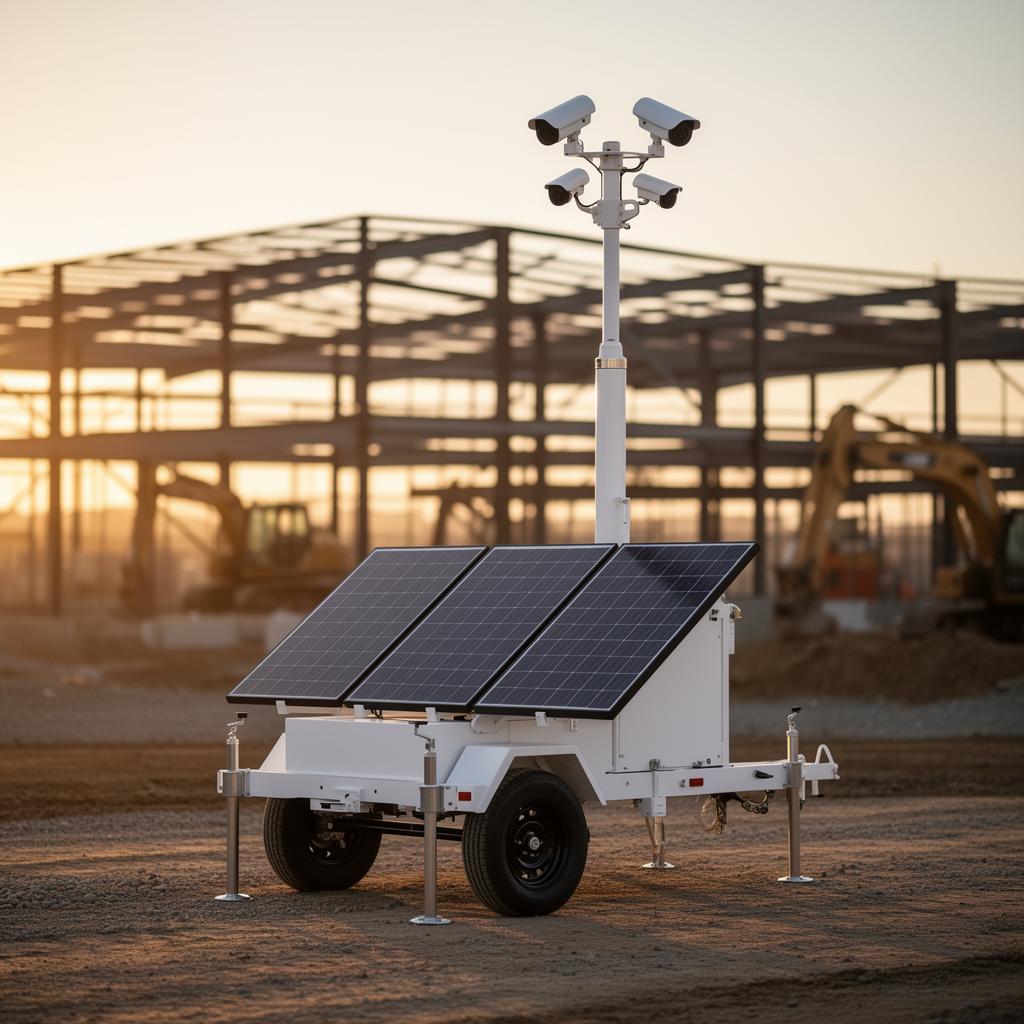
Vagrant occupation of vacant commercial properties in Houston creates cascading liability: Texas premises law makes owners responsible for foreseeable harm to trespassers in some scenarios, HPD 'trespass affidavit' filings run 3-5 days behind incidents, and fires or drug activity on-site put insurance coverage at risk. Monitored deterrence is the only defensible posture.
The Texas premises liability trap
Texas premises law generally limits owner duty to trespassers to 'not willfully or wantonly harming them,' but courts have carved out expanded duties when the owner had actual knowledge of ongoing trespass and failed to act reasonably (see attractive nuisance and continuing-trespass doctrines).
For vacant commercial owners, that means once you know vagrants are on-site, doing nothing is worse than never having known. Documented monitoring is the record you want when a plaintiff's attorney subpoenas your inspection log.
How HPD trespass enforcement actually works
HPD requires a Criminal Trespass Notice (CTN) on file with the beat officer before an arrest can happen — and CTNs must be re-filed every 12 months. Most vacant-property owners have expired CTNs.
Even with a current CTN, HPD response time to a non-violent trespass call in a vacant commercial zip code averages 45–90 minutes. That is not a deterrent.
- Criminal Trespass Notice required and renewed annually
- HPD response time (vacant, non-violent): 45–90 min
- Insurance vacancy exclusion typical: 60 consecutive days unoccupied
- Documented monitoring converts a liability into an asset
The insurance vacancy clause nobody reads
Standard commercial property policies suspend or reduce coverage after 60 consecutive days of vacancy — including for vandalism, water damage from squatter activity, and arson. Most owners discover this at claim time.
A monitored security posture with documented occupancy logs (i.e., 'the trailer is on-site, guards patrolled X times') is often enough to keep vacancy-clause exceptions in force. Confirm the specific requirement with your broker.
The 30-day playbook that actually clears a site
Deploy trailer with LPR at entry, talkdown at known encampment points, and a nightly perimeter patrol with a monitored log. Refile CTN with local HPD beat. Board and secure any open ingress points identified during first-night audit. Post signage that references active monitoring — not empty 'NO TRESPASSING' signs.
Guardtress deployments on vacant Houston commercial routinely see encampment clearing in 7–14 days with this playbook and no measurable reoccupation for the deployment window.
- Deploy monitored trailer + talkdown at encampment points
- Refile Criminal Trespass Notice with HPD beat
- Board every open ingress the first night
- Post signage referencing active monitoring — not generic no-trespass
How fast can Guardtress deploy this in Houston?
Standard Guardtress deployments across the Houston metro land in 24–72 hours from signed quote to live monitoring. A single solar-powered mobile security trailer covers roughly 1.5–2 acres of open ground, carries 5–7 days of no-sun autonomy, and runs on bonded cellular so it needs no site power, no trenching, and no permanent mounting. Units relocate with a standard pintle hitch as the work front moves — a real advantage on phased Houston builds where the exposure point changes every few weeks.
Every unit ships with license plate recognition (LPR), analytic tripwires tuned to human and vehicle shapes, and two-way talkdown from a live U.S.-based monitoring center. Verified events escalate to the Houston Police Department or the Harris County Sheriff's Office as a confirmed crime in progress, which moves the call up the priority queue instead of into the false-alarm pile. Site plans, camera angles, and escalation contacts are set during a 30-minute assessment before the trailer leaves the yard.
- Assessment to live monitoring: 24–72 hours
- Coverage per unit: 1.5–2 acres, 360° with LPR at entry
- Power: solar with 5–7 days no-sun autonomy, no site power required
- Escalation: verified talkdown, then HPD / Harris County Sheriff dispatch
- Service area: Houston, Sugar Land, The Woodlands, Pasadena, Baytown, Conroe, Katy, Galveston, League City, Pearland
What does this cost compared with posting guards?
Houston contract guards run roughly $28–$42 per hour loaded, so a single unarmed guard on a 12-hour night shift costs about $10,000–$15,000 per month — for one set of eyes that can only be in one place, takes breaks, and turns over often. A monitored Guardtress trailer covers the same perimeter continuously at a fraction of that, and the spend moves from a headcount line to a predictable OPEX line you can hold to the schedule.
The math usually turns on two numbers: what a single loss event costs you in materials plus schedule slip, and whether your carrier offers any credit for a written 24/7 monitoring plan — a question worth asking your broker directly. Full site-by-site pricing is in our construction site security cost guide, and the head-to-head breakdown is at Guardtress vs. security guards.
- Houston guard rate: $28–$42/hour loaded
- One 12-hour guard shift: $10,000–$15,000/month
- Monitored trailer: fixed monthly OPEX, no overtime or turnover
- Builder's risk documentation: written monitoring plan formatted for broker review
Ready to lock in your perimeter?
30-minute remote or on-site assessment. Same-day quote. Deployment in 24–72 hours across the Houston metro.
Get a same-day quote