
Jobsite Arson Risk in Houston — What Drives It and How to Prevent It
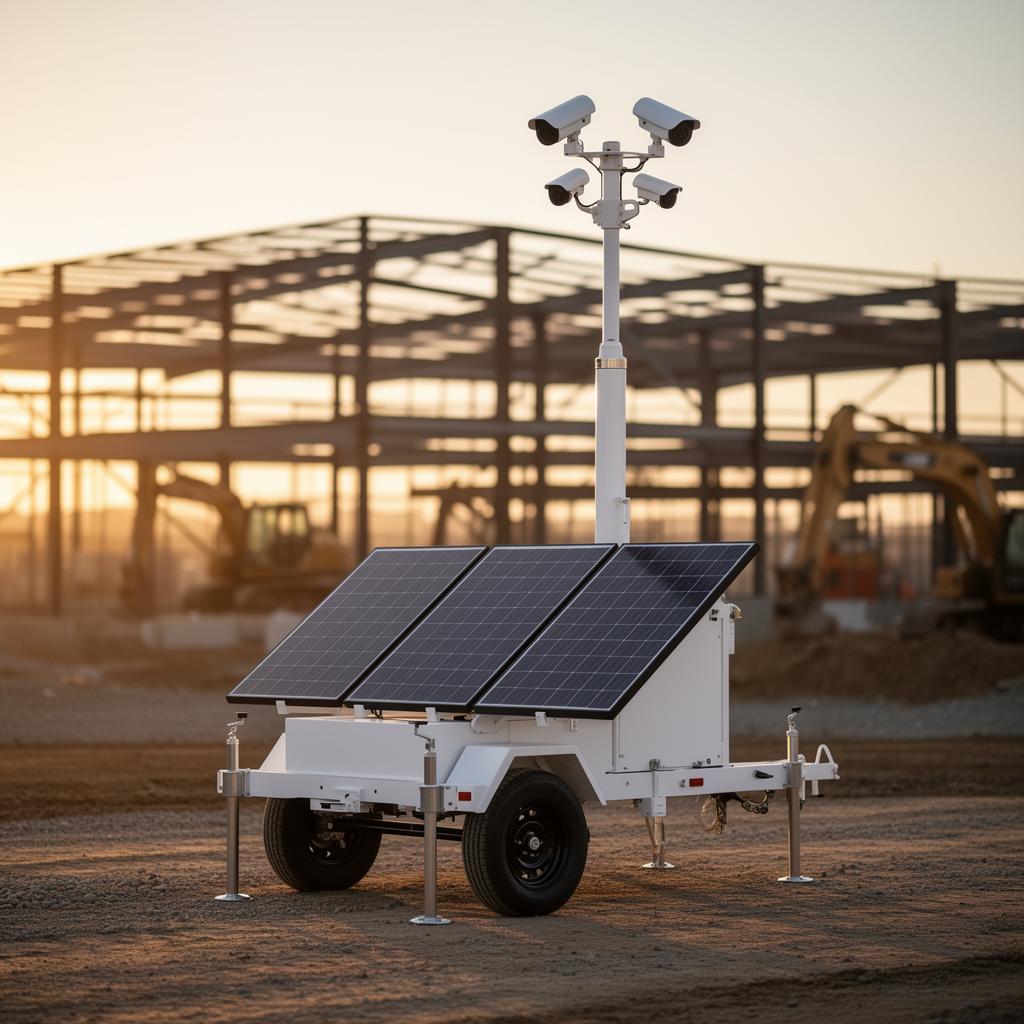
Houston jobsite arson incidents have been rising per HFD data, with vacant multifamily construction and post-slab wood-frame builds at highest risk. Most fires are set between 1am and 4am, often as cover for equipment or copper theft. Deterrence and rapid detection are the only reliable controls — insurance rarely covers full replacement cost., with vacant multifamily construction and post-slab wood-frame builds at highest risk. Most fires are set between 1am and 4am, often as cover for equipment or copper theft. Deterrence and rapid detection are the only reliable controls — insurance rarely covers full replacement cost.
What HFD data actually shows
Houston Fire Department arson investigators handle hundreds of jobsite-related investigations across Harris County each year, and the trend has been rising. Wood-frame multifamily projects between slab-pour and dry-in account for a disproportionate share of investigations.
The pattern is consistent: fires set between 1am and 4am, often in a Porta-John, dumpster, or scrap-wood pile positioned to spread to framing.
- Jobsite arson investigations 2025: 338 (HFD)
- YoY change: rising
- Peak window: 1am–4am
- Wood-frame multifamily share: disproportionate
Why arson is often 'cover' for another crime
HFD investigators publicly attribute a meaningful share of jobsite fires to distraction — set to pull HPD and fire response to one part of the site while equipment or copper leaves from another.
This is why single-camera coverage fails. If your only monitoring point is the fire, the actual loss is happening 200 yards away and off-camera.
Prevention that actually works
The controllable variables are ignition sources, response time, and perimeter delay. Removing scrap wood piles nightly, locking dumpsters, and eliminating Porta-John positioning next to framing removes the top three ignition beds.
Adding thermal-capable cameras with edge-AI flame detection cuts detection latency from '911 call by a passerby' (average 22 minutes) to under 60 seconds.
- Clear scrap-wood nightly — top ignition bed
- Position Porta-Johns 30ft from framing
- Lock and set-back dumpsters
- Deploy thermal-capable cameras with flame detection AI
Insurance reality check
Builder's risk policies typically cover arson, but replacement is on ACV (actual cash value) not RCV (replacement cost) unless you specifically endorsed for RCV. Schedule slip is almost never covered.
A total-loss wood-frame multifamily building at $180/sqft loses $1.8M on a 10,000sqft footprint plus 4–6 months of schedule. That is the number that justifies monitoring cost.
How fast can Guardtress deploy this in Houston?
Standard Guardtress deployments across the Houston metro land in 24–72 hours from signed quote to live monitoring. A single solar-powered mobile security trailer covers roughly 1.5–2 acres of open ground, carries 5–7 days of no-sun autonomy, and runs on bonded cellular so it needs no site power, no trenching, and no permanent mounting. Units relocate with a standard pintle hitch as the work front moves — a real advantage on phased Houston builds where the exposure point changes every few weeks.
Every unit ships with license plate recognition (LPR), analytic tripwires tuned to human and vehicle shapes, and two-way talkdown from a live U.S.-based monitoring center. Verified events escalate to the Houston Police Department or the Harris County Sheriff's Office as a confirmed crime in progress, which moves the call up the priority queue instead of into the false-alarm pile. Site plans, camera angles, and escalation contacts are set during a 30-minute assessment before the trailer leaves the yard.
- Assessment to live monitoring: 24–72 hours
- Coverage per unit: 1.5–2 acres, 360° with LPR at entry
- Power: solar with 5–7 days no-sun autonomy, no site power required
- Escalation: verified talkdown, then HPD / Harris County Sheriff dispatch
- Service area: Houston, Sugar Land, The Woodlands, Pasadena, Baytown, Conroe, Katy, Galveston, League City, Pearland
What does this cost compared with posting guards?
Houston contract guards run roughly $28–$42 per hour loaded, so a single unarmed guard on a 12-hour night shift costs about $10,000–$15,000 per month — for one set of eyes that can only be in one place, takes breaks, and turns over often. A monitored Guardtress trailer covers the same perimeter continuously at a fraction of that, and the spend moves from a headcount line to a predictable OPEX line you can hold to the schedule.
The math usually turns on two numbers: what a single loss event costs you in materials plus schedule slip, and whether your carrier offers any credit for a written 24/7 monitoring plan — a question worth asking your broker directly. Full site-by-site pricing is in our construction site security cost guide, and the head-to-head breakdown is at Guardtress vs. security guards.
- Houston guard rate: $28–$42/hour loaded
- One 12-hour guard shift: $10,000–$15,000/month
- Monitored trailer: fixed monthly OPEX, no overtime or turnover
- Builder's risk documentation: written monitoring plan formatted for broker review
Ready to lock in your perimeter?
30-minute remote or on-site assessment. Same-day quote. Deployment in 24–72 hours across the Houston metro.
Get a same-day quote