
Catalytic Converter Theft on Houston Jobsites — 2026 Field Data
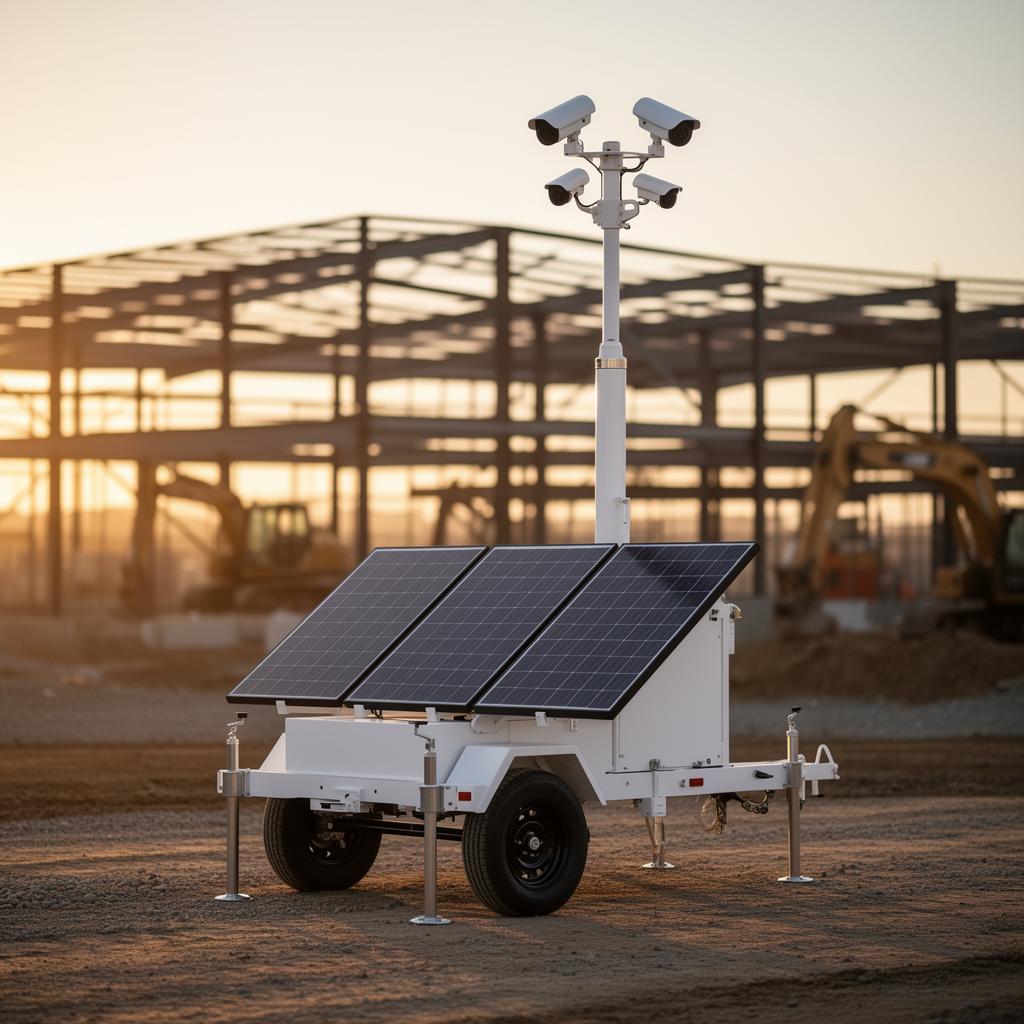
Catalytic converter theft on Houston construction and equipment yards runs well above the national average. Rhodium and palladium spot prices keep converters worth $150–$800 each, cutting takes under 90 seconds, and diesel work trucks (F-350s, box trucks) are hit at 5x the rate of passenger vehicles.
Why Houston jobsites are prime converter targets
Fleet trucks parked overnight in unfenced lots are the highest-frequency target in the Houston metro. NICB's 2025 report ranks Houston 4th nationally for converter theft, with jobsite fleet vehicles overrepresented.
The reason is simple economics: an F-350 diesel converter contains 4–6g of platinum-group metals. At Q1 2026 spot prices, that is $400–$700 in recyclable metal for 90 seconds of work with a Sawzall.
- Houston metro converter theft 2025: ~14,200 reports (NICB)
- Fleet/work truck share of theft: significant
- Average cut time: 60–90 seconds
- Replacement cost on an F-350: $2,800–$4,200 + 4-day downtime
Where converter theft actually happens on your site
Guardtress monitoring shows converter cuts concentrate in the 60 minutes after crew departure and 90 minutes before crew arrival — the transition windows when the site looks empty but no monitoring may have activated.
Yards that back to public alleys or unlit right-of-way corridors see a materially higher incident rate than interior-parked fleets.
The three deterrence layers that actually work
Etching VINs onto converters is table stakes but only helps recovery, not prevention. The layers that reduce incident rate are: (1) motion-triggered lighting + audio talkdown covering the fleet apron, (2) LPR at the yard entrance, (3) an overnight monitored feed with sub-30-second response time.
This three-layer stack is designed to deter converter theft on covered fleets and document every attempt.
- VIN-etch every converter — helps recovery
- Motion-triggered talkdown covering fleet apron — deters
- LPR at yard entrance — catches repeat runners
- Sub-30-second monitored response — closes the deal
Insurance and reporting playbook
File an HPD report and a NICB report on every converter loss — the parallel filing is what feeds the recovery database that scrap dealers are supposed to check.
Most commercial auto policies now carry a $500–$2,500 deductible per converter with an annual cap. Confirm your fleet policy before you assume a converter loss is covered.
How fast can Guardtress deploy this in Houston?
Standard Guardtress deployments across the Houston metro land in 24–72 hours from signed quote to live monitoring. A single solar-powered mobile security trailer covers roughly 1.5–2 acres of open ground, carries 5–7 days of no-sun autonomy, and runs on bonded cellular so it needs no site power, no trenching, and no permanent mounting. Units relocate with a standard pintle hitch as the work front moves — a real advantage on phased Houston builds where the exposure point changes every few weeks.
Every unit ships with license plate recognition (LPR), analytic tripwires tuned to human and vehicle shapes, and two-way talkdown from a live U.S.-based monitoring center. Verified events escalate to the Houston Police Department or the Harris County Sheriff's Office as a confirmed crime in progress, which moves the call up the priority queue instead of into the false-alarm pile. Site plans, camera angles, and escalation contacts are set during a 30-minute assessment before the trailer leaves the yard.
- Assessment to live monitoring: 24–72 hours
- Coverage per unit: 1.5–2 acres, 360° with LPR at entry
- Power: solar with 5–7 days no-sun autonomy, no site power required
- Escalation: verified talkdown, then HPD / Harris County Sheriff dispatch
- Service area: Houston, Sugar Land, The Woodlands, Pasadena, Baytown, Conroe, Katy, Galveston, League City, Pearland
What does this cost compared with posting guards?
Houston contract guards run roughly $28–$42 per hour loaded, so a single unarmed guard on a 12-hour night shift costs about $10,000–$15,000 per month — for one set of eyes that can only be in one place, takes breaks, and turns over often. A monitored Guardtress trailer covers the same perimeter continuously at a fraction of that, and the spend moves from a headcount line to a predictable OPEX line you can hold to the schedule.
The math usually turns on two numbers: what a single loss event costs you in materials plus schedule slip, and whether your carrier offers any credit for a written 24/7 monitoring plan — a question worth asking your broker directly. Full site-by-site pricing is in our construction site security cost guide, and the head-to-head breakdown is at Guardtress vs. security guards.
- Houston guard rate: $28–$42/hour loaded
- One 12-hour guard shift: $10,000–$15,000/month
- Monitored trailer: fixed monthly OPEX, no overtime or turnover
- Builder's risk documentation: written monitoring plan formatted for broker review
Ready to lock in your perimeter?
30-minute remote or on-site assessment. Same-day quote. Deployment in 24–72 hours across the Houston metro.
Get a same-day quote